


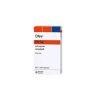
Esbriet
Price range: $475.00 through $1,399.00
Esbriet (pirfenidone) is a pyridone medication that treats idiopathic pulmonary fibrosis (IPF), a progressive lung disease causing scarring and breathing difficulties. This oral medication helps slow disease progression by reducing lung inflammation and fibrosis, helping preserve lung function in IPF patients. For patients seeking cheap prescriptions online options, working with healthcare providers ensures proper liver function monitoring before starting, regular sun protection education, and access to legitimate respiratory medications through trusted home delivery pharmacy services.
Unlike treatments that just manage symptoms, Esbriet is a disease-modifying therapy specifically designed to slow IPF progression by targeting multiple pathways involved in lung scarring. It’s taken orally as 267mg capsules, with a gradual dose increase over two weeks to help your body adjust. The final maintenance dose is three capsules taken three times daily with food (nine capsules per day total, equaling 2403mg daily). Taking Esbriet with meals is important because it significantly reduces nausea and dizziness, two common side effects.
How Esbriet Slows Lung Scarring: Idiopathic pulmonary fibrosis causes abnormal scarring (fibrosis) in lung tissue without a known cause. As scar tissue builds up, lungs become stiff and can’t expand properly, making breathing increasingly difficult and reducing oxygen transfer to the blood. While the exact mechanism isn’t fully understood, Esbriet appears to work through multiple pathways to reduce both inflammation and fibrotic processes in the lungs. It helps decrease the production of certain proteins and growth factors that promote scarring and inflammation.
Clinical studies showed Esbriet significantly reduced the decline in lung function compared to placebo. In three major trials involving over 1,200 IPF patients, those taking Esbriet experienced slower decline in forced vital capacity (FVC), a key measure of lung function. Patients on Esbriet lost less lung capacity over time compared to those on placebo, the medication helped preserve breathing ability and slow disease progression. Most patients noticed stabilization of their condition rather than dramatic improvement, which is expected since IPF is a progressive disease.
Dosing Schedule: Treatment starts with a careful two-week titration to minimize side effects. During days 1-7, you take one capsule three times daily with meals. Days 8-14, the dose increases to two capsules three times daily. From day 15 onward, you take the full maintenance dose of three capsules three times daily. This gradual increase helps your body adjust and reduces the likelihood of severe nausea or other gastrointestinal symptoms that sometimes cause people to stop treatment. If you miss 14 or more consecutive days of treatment, you’ll need to restart the titration process.
Esbriet must always be taken with food at the same times each day to maintain consistent blood levels and minimize side effects. Never take more than three doses in one day or double up if you miss a dose. For patients managing multiple conditions with medications from digestive health categories, the gastrointestinal side effects of Esbriet may require additional management strategies.
Important Monitoring Requirements: Before starting Esbriet, you’ll need baseline liver function tests (ALT, AST, and bilirubin). These tests are repeated monthly for the first six months, then every three months afterward since the medication can cause liver enzyme elevations in some patients. Most elevations are mild and reversible with dose adjustment or temporary treatment interruption, but careful monitoring catches problems early. You should immediately report symptoms like yellowing skin or eyes, dark urine, unusual fatigue, or pain in the upper right abdomen.
Esbriet causes photosensitivity in about 9% of patients, meaning your skin becomes much more sensitive to sunlight and you can develop severe sunburn even with brief sun exposure. You must use high SPF sunscreen (SPF 50 or higher), wear protective clothing and a hat, and avoid direct sunlight and tanning beds during treatment. Most photosensitivity reactions occur during the first six months. Similar to patients using Ofev, the other approved IPF medication, sun protection is essential throughout treatment.
If you smoke, discuss smoking cessation with your doctor before starting Esbriet. Smoking significantly decreases pirfenidone blood levels, which may reduce how well the medication works. Smokers have about half the drug exposure compared to non-smokers, potentially making treatment less effective. Your healthcare team can provide resources and support for quitting smoking.
| Brand | Esbriet Brand |
|---|---|
| Form | 267mg 90 Tablets, 801mg 90 Tablets |
Side Effects:
Common side effects include nausea, rash, upset stomach, upper respiratory infections, diarrhea, fatigue, headache, indigestion, dizziness, vomiting, decreased appetite, heartburn, sinus infections, insomnia, weight loss, and joint pain. Nausea affects about 36% of patients but can often be managed by taking the medication with food and sometimes gets better after the first few months. Rash occurs in about 30% of patients and may require dose reduction if severe. Most side effects are manageable and often improve over time.
Serious side effects requiring immediate medical attention include liver problems (yellowing of skin or eyes, dark tea-colored urine, pain in upper right abdomen, unusual bleeding or bruising, extreme tiredness), severe photosensitivity reactions (severe sunburn, blistering, peeling skin after sun exposure), and persistent gastrointestinal problems (severe nausea, vomiting, or diarrhea that doesn't improve). Elevated liver enzymes occurred in about 3.7% of patients taking Esbriet, most cases were mild and resolved with dose adjustment. Report any new or worsening symptoms to your doctor promptly.
Dose reductions or temporary treatment interruptions may be needed if you develop bothersome side effects. About 18.5% of patients required dosage adjustments for gastrointestinal symptoms, and 14.6% permanently stopped treatment due to side effects (most commonly rash and nausea). Your doctor can adjust your dose or provide supportive medications to help manage symptoms while keeping you on treatment. Similar to patients using COPD medications, working closely with your healthcare team helps optimize symptom management while maintaining effective treatment.
Indications and Approved Uses:
Esbriet is FDA-approved for treatment of idiopathic pulmonary fibrosis (IPF), a chronic progressive lung disease of unknown cause that results in scarring (fibrosis) of the lungs. IPF causes the lungs to become stiff and thick, making it harder to breathe and get oxygen into the bloodstream. The condition typically affects people over 50 and worsens over time, eventually leading to respiratory failure without treatment.
The recommended maintenance dosage is 801mg (three 267mg capsules) taken three times daily with food, for a total daily dose of 2403mg. Treatment begins with a two-week titration: one capsule three times daily during week one, two capsules three times daily during week two, then three capsules three times daily from week three onward. Doses should be taken at approximately the same times each day with substantial meals to minimize gastrointestinal side effects and improve tolerability.
Esbriet works by interfering with multiple biological pathways involved in lung fibrosis, though its exact mechanism isn't completely understood. Clinical trials showed it significantly reduced the rate of FVC decline compared to placebo, meaning patients on Esbriet lost less lung function over time. In three major studies, Esbriet-treated patients maintained better lung capacity and slower disease progression. The medication doesn't cure IPF or reverse existing scarring, but it helps slow the scarring process and preserve remaining lung function for as long as possible.
Before starting treatment, you'll need liver function tests and should inform your doctor about all medications, supplements, and medical conditions. Esbriet is not recommended for patients with severe liver or kidney impairment, or for those on dialysis. Patients with mild to moderate liver or kidney problems can use Esbriet with careful monitoring. When ordering prescription drugs online through online drugstore services, ensure proper handling and storage at room temperature (68-77°F) in a tightly closed container, and keep medication out of reach of children to prevent accidental ingestion.
Frequently Asked Questions:
How long does it take for Esbriet to work?
Esbriet works gradually to slow disease progression rather than providing immediate symptom relief. Clinical trials measured its effects over 52-72 weeks, during which patients taking Esbriet had significantly less decline in lung function compared to placebo. You probably won't feel dramatically better, but the goal is stabilizing your condition and slowing the rate at which your lungs lose function. Most patients continue treatment long-term unless unacceptable side effects develop.
Can I take Esbriet with antibiotics?
Some antibiotics interact with Esbriet. Ciprofloxacin increases pirfenidone blood levels by 81%, requiring dose reduction to two capsules three times daily when using ciprofloxacin 750mg twice daily. Fluvoxamine (an antidepressant) causes a 4-7 fold increase and should be avoided entirely. Always tell your doctor about all medications you're taking, including antibiotics, before starting Esbriet or any new medication during treatment.
What should I do if I get nauseous from Esbriet?
Always take Esbriet with food, which significantly reduces nausea. Eat a full meal rather than just a snack with each dose. If nausea persists, talk to your doctor about anti-nausea medications or temporary dose reduction. Many patients find nausea improves after the first few months as their body adjusts. Never stop Esbriet suddenly without consulting your doctor.
Do I need to avoid any foods while taking Esbriet?
There are no specific foods you must avoid, but you should take Esbriet with substantial meals three times daily to minimize side effects. Avoid grapefruit juice since it may affect how the medication is metabolized, though this hasn't been specifically studied with Esbriet. Alcohol should be limited since both alcohol and Esbriet can affect the liver.
Can I order Esbriet through online pharmacies?
Yes, through legitimate specialty pharmacies that handle IPF medications. Esbriet typically costs several hundred dollars monthly without insurance, so work with your healthcare team and pharmacy to explore manufacturer copay assistance programs and insurance coverage. Ensure the online medicine order service is licensed and requires a valid prescription. Similar to Pulmicort and other respiratory medications, reputable online pharmacies provide access to genuine medications with proper handling and patient support services.

 Ask an expert